

Latest Version
July 26, 2025
Nebula Studio
Board
iOS
0
Report a Problem
More About :game
What Is Mahjong Blast?
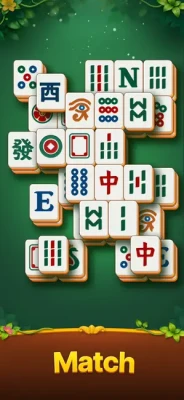
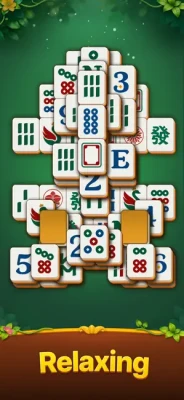
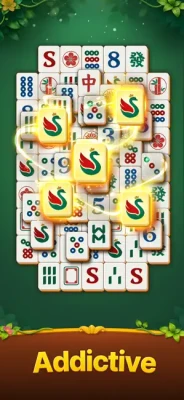
Mahjong Blast is a single-player tile-matching game inspired by classic mahjong solitaire. Instead of competing against another player, you work through a layered arrangement of tiles and remove matching pairs until the board is cleared.
The main challenge is deciding which pair to remove first. Some tiles cover others, while certain pieces remain unavailable until surrounding tiles are cleared. A move that looks useful at first can make the rest of the puzzle more difficult, so planning ahead is an important part of the experience.
The game combines straightforward controls with puzzles that encourage careful observation. It is easy to understand the basic rules, but clearing more complicated layouts requires patience, a good memory for tile positions, and an understanding of how each move changes the board.
Mahjong Blast Gameplay Features
Classic Mahjong Solitaire Mechanics
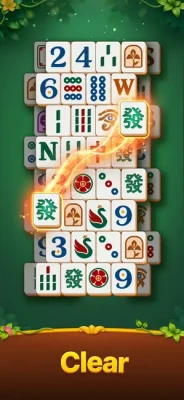
The core gameplay revolves around finding identical, available tiles and removing them in pairs. Each successful match gradually opens the layout and brings you closer to completing the board.
Relaxing Tile-Matching Puzzles
Mahjong Blast emphasizes a steady, approachable pace rather than fast reflexes. Players can focus on recognizing patterns, evaluating possible moves, and enjoying the satisfaction of clearing tiles.
Simple Tap Controls
The basic controls are easy to learn. Tap one available tile, find its matching partner, and tap that tile to remove the pair. This makes the game accessible to newcomers and experienced puzzle players alike.
Board Clearing and Progression
Each puzzle gives you another opportunity to improve your approach. As layouts become more demanding, identifying useful pairs and avoiding unhelpful moves becomes increasingly important.
Offline Play
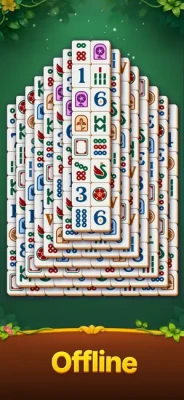
The game's listing advertises offline gameplay, making it a convenient choice for playing during travel or in places without a reliable internet connection. Some connected features or purchases may still require internet access.
A Casual Puzzle Experience
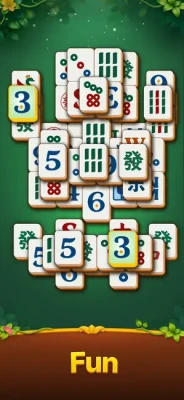
The game suits short breaks as well as longer puzzle sessions. Its combination of familiar symbols, straightforward interactions, and thoughtful decisions makes it appealing to fans of casual games, brain teasers, and classic mahjong solitaire.
How to Play Mahjong Blast
The objective is to remove all the tiles from the board by matching identical pairs.
Study the layout. Look for exposed tiles and identify which pieces are covering others.
Find a matching pair. Choose two identical tiles that are both available for selection.
Remove the pair. Tap the matching tiles to clear them from the board.
Reveal more possibilities. Removing certain tiles exposes pieces that were previously blocked or hidden.
Continue planning. Check the remaining layout after every match and look for moves that open useful areas.
Clear the board. Keep matching available pairs until the puzzle is completed.
Remember that Mahjong Blast follows mahjong solitaire-style matching rules. It is not the same as traditional four-player mahjong, which uses different rules, hands, and scoring systems.
Complete Mahjong Blast Strategy Guide
1. Look at the Whole Board Before Making a Move
Your first available pair is not necessarily the best pair to remove. Spend a moment examining the entire layout before making your opening move.
Look for tall stacks, overlapping tiles, and areas where several pieces appear to be blocking access to others. Prioritize moves that reveal additional tiles or create more options for later turns.
A few seconds of planning at the beginning can prevent unnecessary problems near the end.
2. Prioritize Tiles That Block Other Pieces
Some tiles matter more than others because they prevent access to the pieces beneath them.
When choosing between two available pairs, consider which one will expose more of the board. Removing a tile that uncovers several useful pieces can create a chain of productive moves.
Do not focus only on the number of tiles removed. Focus on how much the board improves after each match.
3. Pay Attention to Matching Tiles
Before removing a pair, check whether another copy of the same tile is trapped underneath a stack or in a difficult-to-reach area.
If you remove the wrong copies too early, you may leave a matching tile inaccessible while losing the opportunity to open the area that contains it.
Whenever possible, choose the pair that preserves access to important parts of the layout.
4. Avoid Clearing Open Areas Without a Plan
It can be tempting to remove every easy pair immediately. However, clearing an open section does not always help you reach the tiles that are blocking progress elsewhere.
Compare the available moves before choosing one. If a pair does not reveal anything useful, consider whether another move could open a more important section first.
A strong strategy balances immediate progress with the options you will need later.
5. Work From the Most Restrictive Sections
Tall stacks and heavily covered areas often limit your choices. Identify these sections early and look for opportunities to uncover their tiles.
When two moves are equally safe, prefer the one that opens a difficult section of the board. This can reveal new matching opportunities and make later decisions easier.
6. Keep Track of Important Tiles
Remembering where particular tiles are located helps you make better decisions. If you notice several copies of the same symbol, mentally track which are exposed and which remain covered.
This becomes especially useful when the board contains many similar symbols or when multiple matching pairs are available.
You do not need to memorize the entire board. Concentrate on tiles that could affect your next few moves.
7. Think One or Two Moves Ahead
Before selecting a pair, ask yourself three questions:
What tiles will become available after this match?
Could this move leave an important tile blocked?
Will the remaining board offer enough matching opportunities?
You will not always be able to predict every outcome, but thinking ahead reduces avoidable mistakes.
8. Use Hints Carefully
If your version of the game provides a hint feature, use it when you cannot identify a useful pair or need help spotting a possible move.
Try to inspect the board yourself before requesting assistance. This helps you recognize patterns and understand why a suggested match might be useful.
Treat hints as a learning aid rather than your default strategy.
9. Use Undo or Shuffle Tools Strategically
If your version includes undo or shuffle options, save them for situations where they can make a meaningful difference.
Undo is useful when you recognize that a recent move blocked a better sequence. A shuffle may help when the current arrangement leaves you struggling to identify a path forward, although its exact effect depends on the game's implementation.
Check the available tools in your current version before relying on a particular feature.
10. Stay Patient When the Board Becomes Difficult
A difficult board does not always require a complicated trick. Sometimes the solution becomes clear after you examine the layout from a different angle.
Pause, review the remaining tiles, and identify which pieces are restricting access to the rest. Avoid repeating the same unsuccessful approach without reconsidering the board.
11. Learn From Every Completed Puzzle
After clearing a board, think about which decisions helped you progress and which moves created unnecessary obstacles.
Over time, you will become faster at recognizing important tile combinations and spotting moves that open multiple possibilities.
Consistent observation is more valuable than rushing through every puzzle.
Advanced Mahjong Blast Tips
Choose flexibility over convenience. A move that leaves several options available is often safer than one that immediately clears a pair but restricts your next choices.
Watch for limited matching opportunities. If a particular tile is difficult to access, consider its position before removing other copies of the same symbol.
Reassess after major changes. Removing a tile from a tall stack can transform the board. Stop and look for new opportunities instead of following your original plan automatically.
Do not assume every visible pair is equally valuable. Two pairs may both be legal, but one may open a blocked area while the other produces little progress.
Avoid unnecessary speed. Unless a particular challenge introduces a timer, careful decisions are generally more useful than rapid tapping.
Keep the remaining layout in view. As the board becomes emptier, concentrate on the pieces that still restrict access rather than the ones that are already easy to match.
Common Mahjong Blast Mistakes to Avoid
Matching the First Pair You See
The first available pair may not help you reach blocked tiles. Compare the consequences of several possible moves before choosing one.
Ignoring Covered Tiles
Overlooking the tiles underneath a stack can lead to poor decisions. Always consider what a move will uncover and whether it improves your future choices.
Forgetting Duplicate Symbols
If several copies of a tile remain on the board, removing two without considering the other copies can complicate the puzzle. Track important duplicates as you play.
Using Assistance Too Early
Hints and other available tools can be useful, but relying on them immediately reduces your opportunity to understand the board. Try a careful review first.
Rushing Through the Final Moves
A nearly empty board can still be challenging if the remaining tiles are poorly positioned. Check every available pair rather than assuming the final matches will be easy.
Is Mahjong Blast Good for Beginners?
Yes. Mahjong Blast is a reasonable choice for beginners because the basic objective is easy to understand: find identical available tiles and remove them in pairs.
New players can start by learning to recognize matching symbols, identifying tiles that are blocked, and observing how each move changes the layout. More experienced players can focus on planning ahead, preserving useful options, and making better decisions in complicated arrangements.
The game may also appeal to adults and older players who enjoy quiet, observation-based puzzles. Its tile-matching format offers an enjoyable way to practise concentration and visual pattern recognition, although playing a puzzle game should not be treated as a guaranteed way to improve memory or prevent cognitive decline.
Mahjong Blast Pros and Cons
Pros
Easy-to-understand tile-matching rules.
Relaxing gameplay that rewards patience.
Simple tap-based controls.
Encourages observation and strategic planning.
Suitable for short sessions or longer puzzle breaks.
Offline play is advertised in the game's listing.
Familiar mahjong solitaire mechanics for casual puzzle fans.
Cons
Repetitive matching may not appeal to players who prefer action or story-driven games.
More complicated layouts can become challenging when important tiles remain blocked.
The app has in-app purchases, and availability or presentation of optional features may vary by version.
Players should check the current app listing and settings for details about advertising, subscriptions, and connected features.
Mahjong Blast Game Information
Game title: Mahjong Blast
Developer: Nebula Studio
Publisher or seller on the App Store: HURELAX PTE. LTD.
Genre: Board, puzzle, tile matching
Game type: Single-player mahjong solitaire
Core objective: Match identical available tiles and clear the board
Controls: Tap-based touch controls
Platforms: iPhone and iPad; additional compatibility depends on the device and operating system
iOS requirement: iOS 15.0 or later, according to the App Store listing
iPad requirement: iPadOS 15.0 or later, according to the App Store listing
Pricing: Free to download with in-app purchases
Offline support: Advertised by the developer
Age rating: Check the current regional store listing for the applicable rating
Best suited for: Casual gamers, mahjong solitaire fans, and players who enjoy relaxing tile puzzles
Features, subscription options, compatibility, and store information can change with updates. Check the current listing for the latest details.
Mahjong Blast Frequently Asked Questions
What is Mahjong Blast?
Mahjong Blast is a mahjong solitaire puzzle game in which players match identical available tiles to clear a board. It combines simple controls with puzzles that reward observation and planning.
How do you win in Mahjong Blast?
The main objective is to remove every tile by selecting matching pairs. The best approach is to uncover blocked pieces, preserve useful options, and avoid moves that make important tiles harder to reach.
Is Mahjong Blast free to play?
The game is listed as free to download, with in-app purchases available. Check the current store listing for the latest purchase and subscription details.
Can you play Mahjong Blast offline?
The game's listing advertises offline play. Some features that depend on online services, purchases, or account connections may require an internet connection.
Is Mahjong Blast the same as traditional mahjong?
No. Mahjong Blast uses mahjong solitaire-style pair matching. Traditional mahjong is generally a multiplayer tile game with different rules and objectives.
Does Mahjong Blast have a timer?
The game's descriptions emphasize relaxed, timer-free puzzle play. Individual events or special modes may differ, so check the rules shown in your current version.
What is the best strategy for Mahjong Blast?
Prioritize moves that uncover blocked tiles, look for duplicate symbols, and preserve access to useful matching pairs. Think about how each move changes the remaining layout before committing to it.
Is Mahjong Blast suitable for beginners?
Yes. The matching rules are straightforward, and players can improve by learning to recognize patterns, identify blocked tiles, and plan a few moves ahead.
Does Mahjong Blast help improve memory?
The game involves observation, attention, and remembering tile positions. It can provide mental engagement, but there is no guarantee that playing it will produce lasting improvements in memory or other cognitive abilities.
What should I do if I cannot find a matching pair?
Review the board carefully and check whether any available pairs can uncover blocked tiles. If your version offers hints, undo, or shuffle tools, consider using them when appropriate.
Final Verdict
Mahjong Blast is a straightforward choice for players who enjoy mahjong solitaire, relaxing board games, and tile-matching puzzles. Its simple controls make it easy to start playing, while the need to uncover blocked pieces and plan ahead gives each board a strategic element.
For the best results, avoid rushing through easy matches. Study the layout, prioritize useful openings, and keep track of tiles that could limit your future options. These habits can help you approach more difficult puzzles with greater confidence.
If you enjoy casual games that combine calm presentation with thoughtful decisions, Mahjong Blast is worth considering.
Rate the Game
User Reviews










Popular Games



















 Android
 iOS
iOS Windows
 Xbox
Xbox